
Browse All Records(204 total)
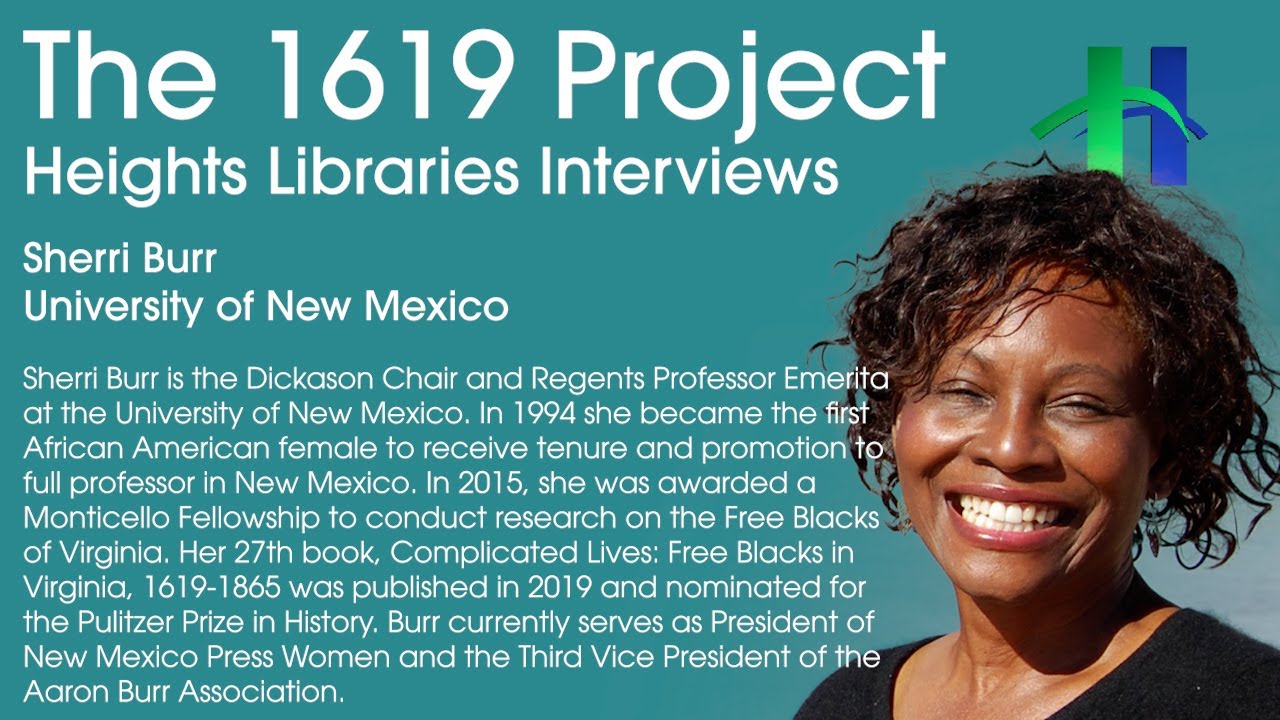
Sherri Burr: Free Blacks of Virginia
In 2015, she was awarded a Monticello Fellowship to conduct research on the Free Blacks of Virginia, the hundreds of thousands of African-Americans who were free before the Civil War. Burr’s ancestors were among this group. Professor Burr discusses her research which became her 27th book, "Complicated Lives: Free Blacks in Virginia, 1619-1865."
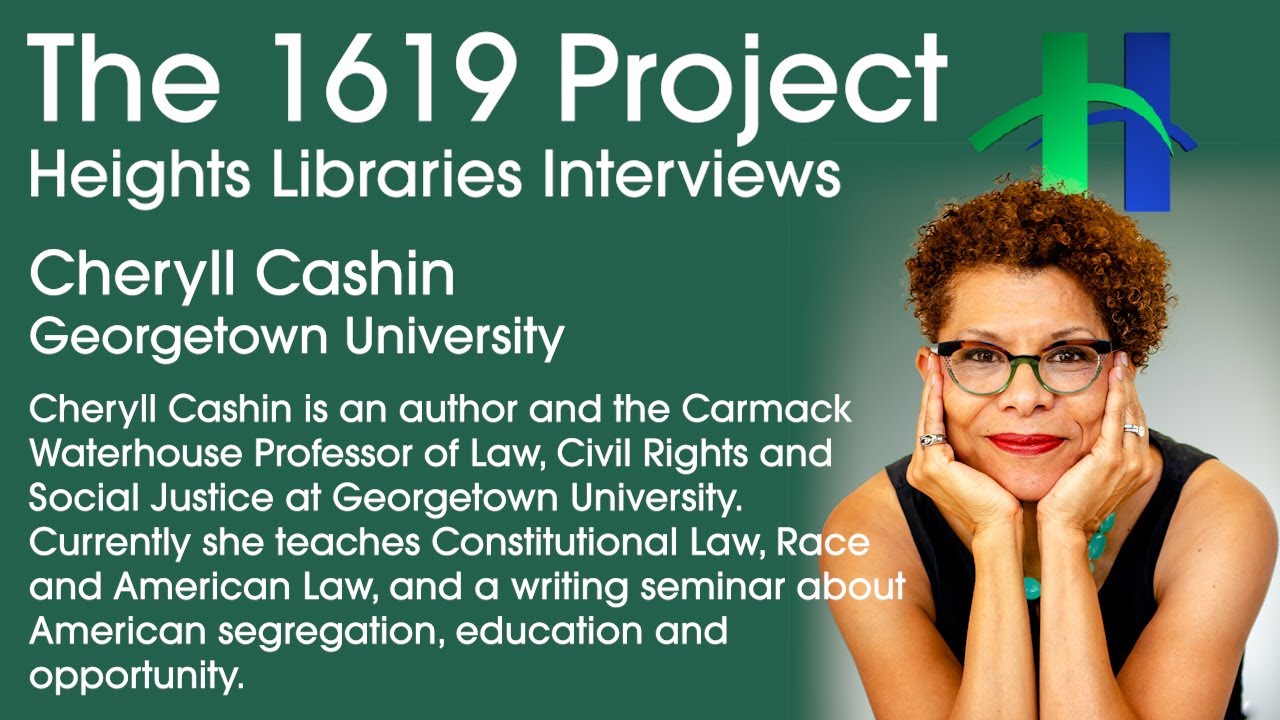
Sheryll Cashin: Housing Segregation
Cheryll Cashin is an author and the Carmack Waterhouse Professor of Law, Civil Rights and Social Justice at Georgetown University. Currently she teaches Constitutional Law, Race and American Law, and a writing seminar about American segregation, education and opportunity. Her new book — White Space, Black ‘Hood: Opportunity Hoarding and Segregation in the Age of Inequality — is about the role of residential segregation in producing racial inequality.
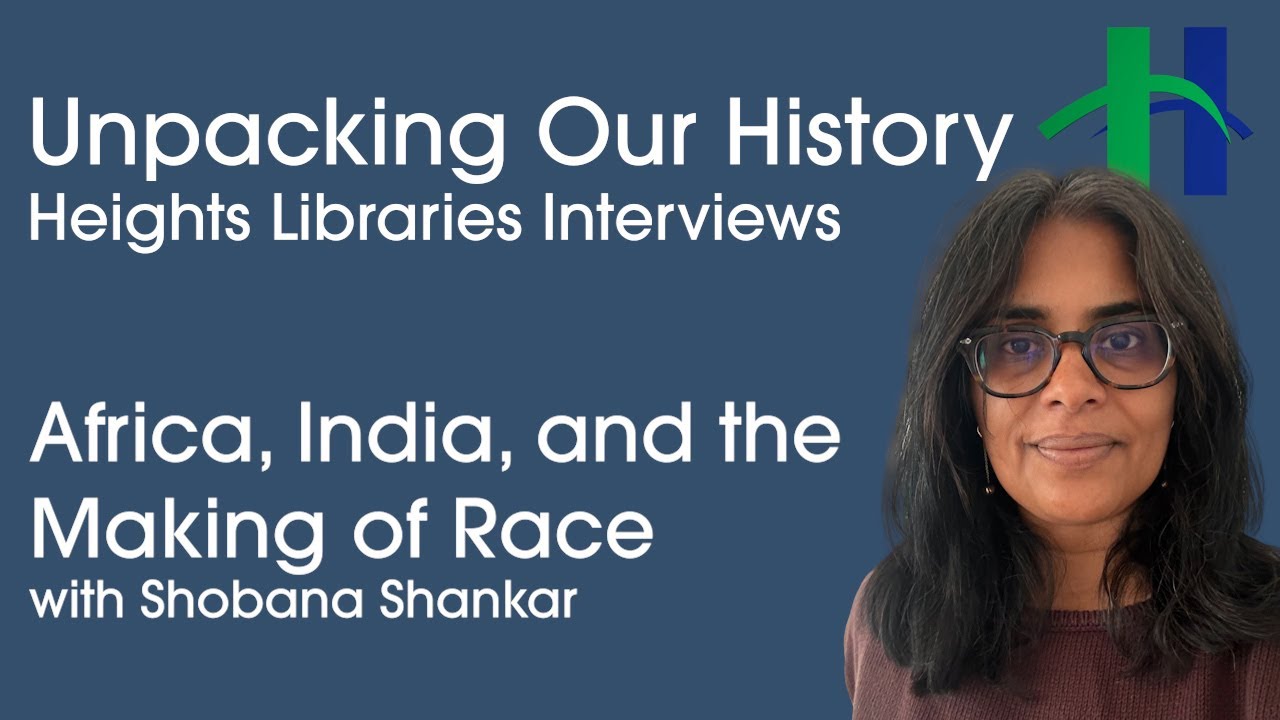
Shobana Shankar: Africa, India, and the Making of Race
Shobana Shankar discusses her book, An Uneasy Embrace: Africa, India and the Spectre of Race. Prof. Shankar explains how Africans and Indians make and unmake their differences. While decolonization brought Africans and Indians together to challenge Euro-American style white supremacy, discord over caste, religion, sex and skin color simmered beneath the rhetoric of Afro-Asian solidarity. Shobana Shankar is a professor of History at Stonybrook University, New York.
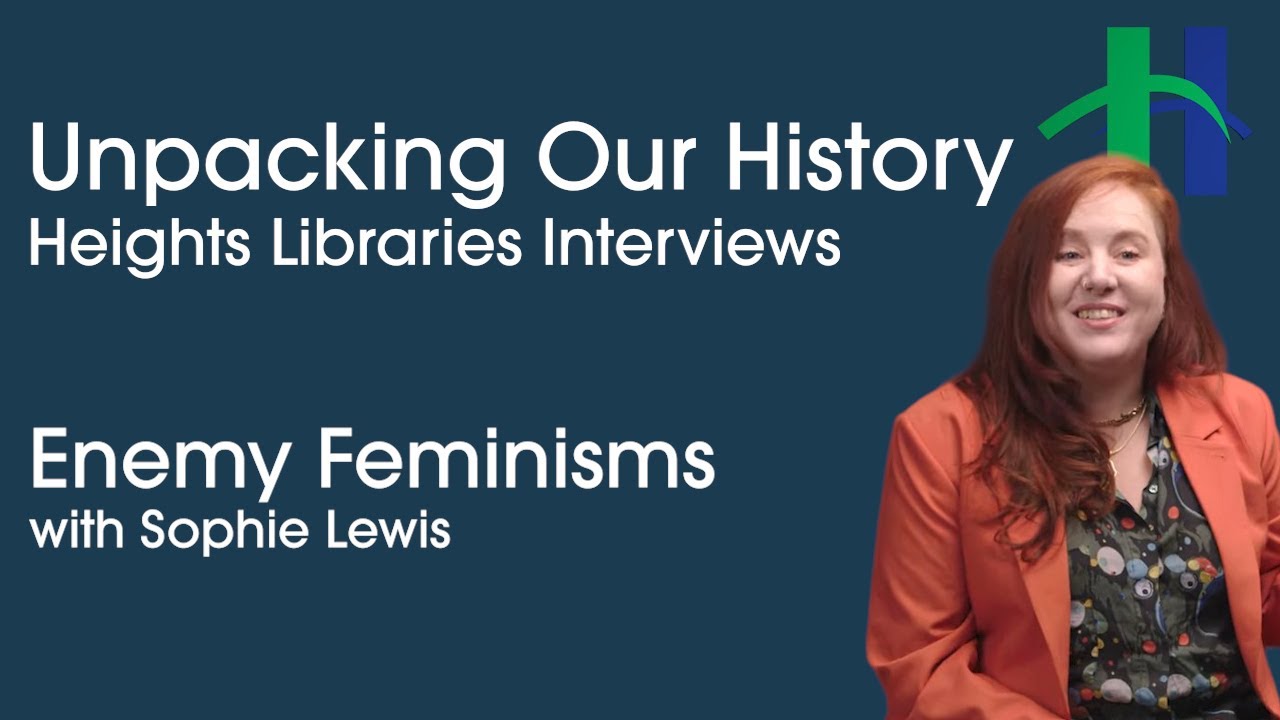
Sophie Lewis: Enemy Feminisms
Sophie Lewis discusses their book, Enemy Feminisms: TERFs, Policewomen, and Girlbosses Against Liberation. Offering a 200 year tour feminist history to uncover 19th century imperial feminists, Klan feminists, and today’s anti-abortion and TERF feminists. This tour paints a complicated picture of women's rights advocates that is sometimes messy, racist, and, yes, even sexist. Sophie Lewis is a writer, speaker, and teacher. She has written several books and articles on feminism and…
Spencer Sunshine: Neo-Nazi Counterculturalism
Spencer Sunshine, PhD discuss his book, Neo-Nazi Terrorism and Countercultural Fascism: The Origins and Afterlife of James Mason’s Siege. Sunshine describes how Ohio native and lifelong Neo-Nazi James Mason's newsletter Siege, which praises terrorism, serial killers, and Charles Manson, influenced today's generation of hate groups and alt-right influencers. Spencer Sunshine, PhD, has written extensively about the U.S. Far Right, from militias to neo-Nazis. He has been documenting…
Stefanie Hunt-Kennedy: Colonial Slavery and Disability
Professor Stefanie Hunt-Kennedy discusses her book, “Between Fitness and Death: Disability and Slavery in the Caribbean,” which examines the relationship between disability, antiblack racism, and slavery in the sugar-producing colonies of the British Caribbean. Prof. Hunt-Kennedy explains how disability was a defining feature of slavery’s violence and it’s antiblack racism. Professor Stefanie Hunt-Kennedy, Associate Professor, Department of History at the University of New Brunswick. She…
Stephanie R. Logan: School Vouchers and Charters
Stephanie R. Logan is an associate professor of elementary and multicultural education. Prof. Logan discusses the history of public school vouchers and the rise of charter schools in the United States. The discussion begins in 1954 and continues through the 21st Century by looking at her 2018 article, "A Historical and Political Look at the Modern School Choice Movement."
Stephen Kenny: Slave Hospitals
Professor Stephen Kenny discusses his article, “A Dictate of Both Interest and Mercy”: Slave Hospitals in the Antebellum South.” Beginning on the shores of West Africa, White doctors began to systematize racialized medicine in the service of slavery. Establishing institutions of idealized models of slave care, the story of slave hospitals became a self-serving lie of enslaver benevolence and racial difference. Plantation hospitals were rooms or shacks, while urban spaces resembled prisons. The…
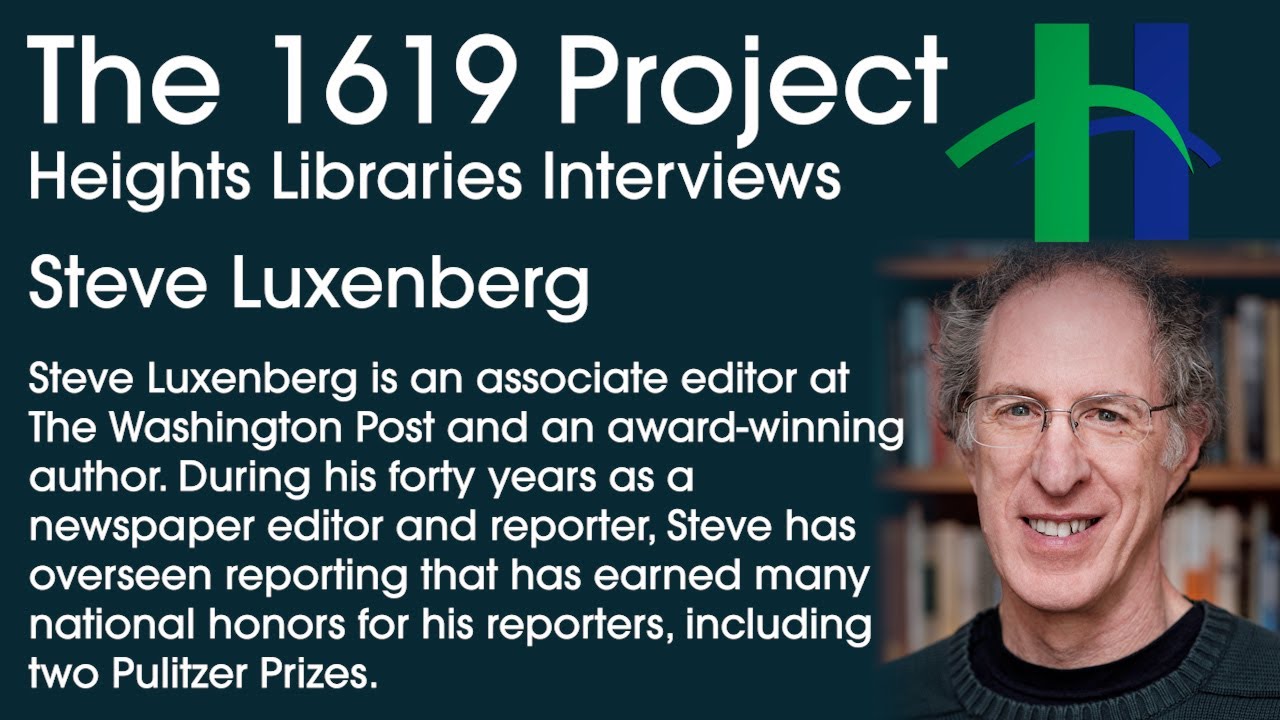
Steve Luxenberg: Plessy V. Ferguson
Steve Luxenberg is an associate editor at The Washington Post and an award-winning author. Steve Luxenberg discusses his nonfiction book, "Separate: The Story of Plessy v. Ferguson, and America’s Journey from Slavery to Segregation," which was published in 2019 to critical acclaim. He discussed the people most influential in arguing and deciding the Supreme Court case - civil rights author Albion W. Tourgée, the Great Dissenter John Marshall Harlan, and Henry Billings Brown who wrote…
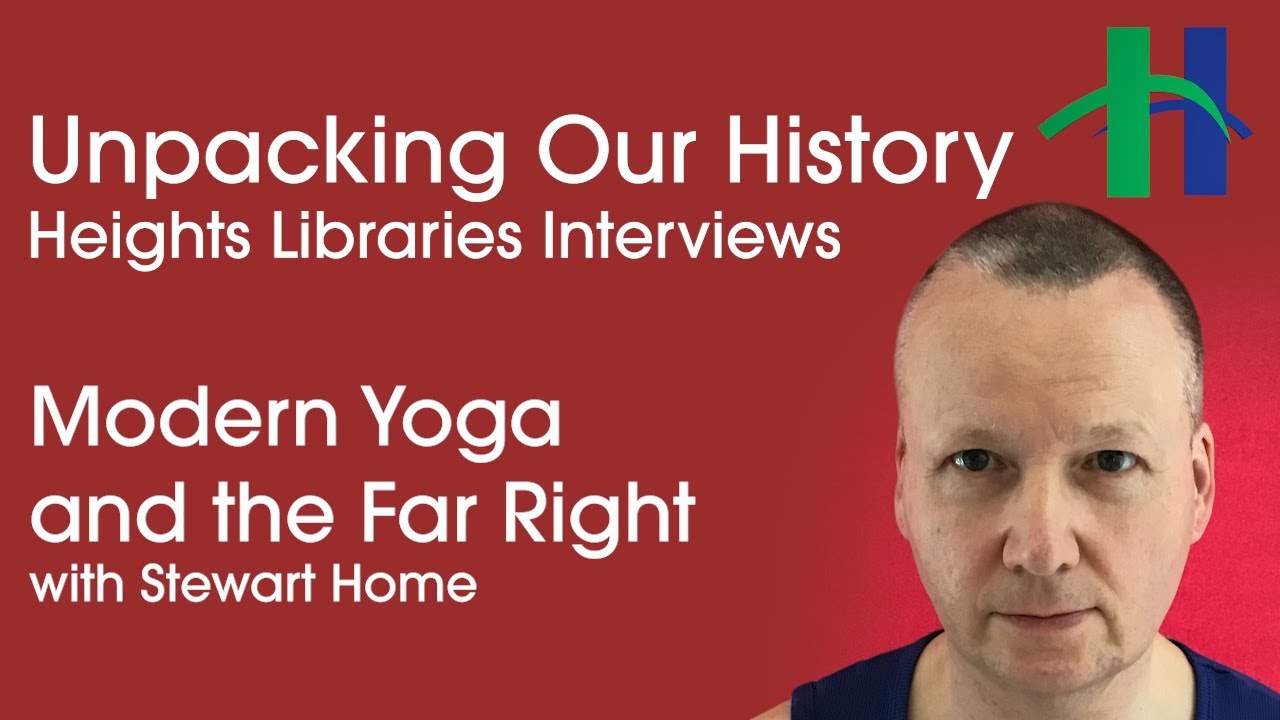
Stewart Home: Modern Yoga and the Far Right
Stewart Home discusses his book, Fascist Yoga: Grifters, Occultists, White Supremist, and the New Order in Wellness. Home sweeps away the half-truths of Western yoga to expose a world full of grifters, cult leaders, TV celebrities and fake gurus, the story of yoga has involved some of the strangest currents of humanity. Stewart Home is an artist, filmmaker, pamphleteer, art historian and activist. He is based in London.
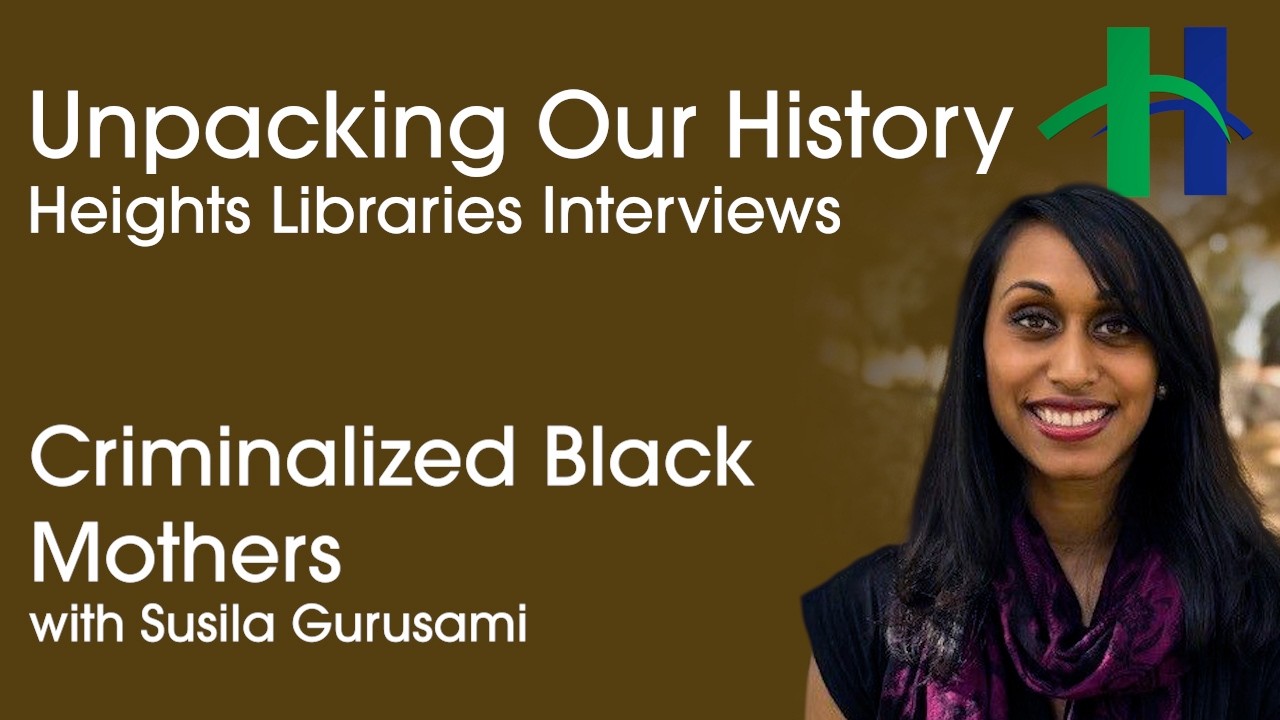
Susila Gurusami: Criminalized Black Mothers
Susila Gurusami discusses her book, "Break the System Criminalized Black Mothers and the Reproductive Politics of Abolition." By looking closely at the lives of formerly incarcerated Black mothers, Prof. Gurusami shows how state institutions—the criminal-legal, child welfare, and healthcare systems—keep Black mothers from their families, harming Black communities in the process. Susila Gurusami, Assistant Professor in the Department of Criminology, Law, and Justice at the…
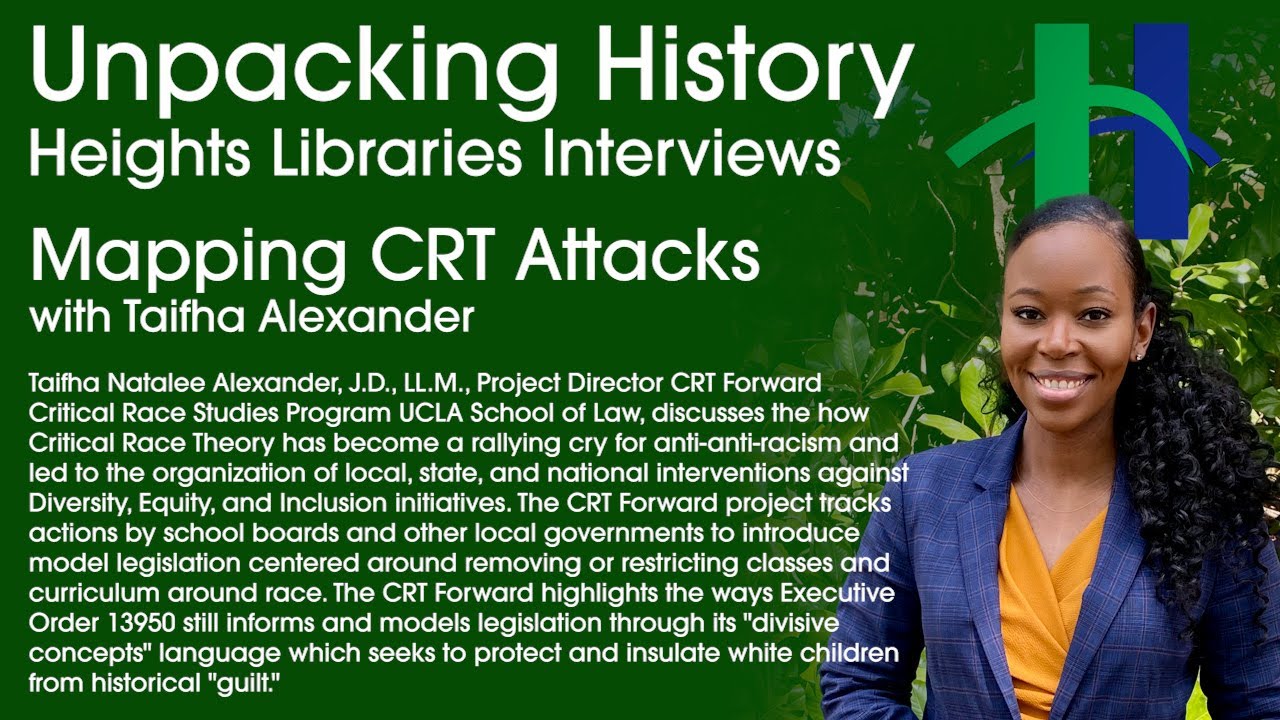
Taifa Alexander: Mapping CRT Attacks
Taifha Natalee Alexander, J.D., LL.M., Project Director CRT Forward Critical Race Studies Program UCLA School of Law, discusses the how Critical Race Theory has become a rallying cry for anti-anti-racism and led to the organization of local, state, and national interventions against Diversity, Equity, and Inclusion initiatives. The CRT Forward project tracks actions by school boards and other local governments to introduce model legislation centered around removing or restricting classes and…
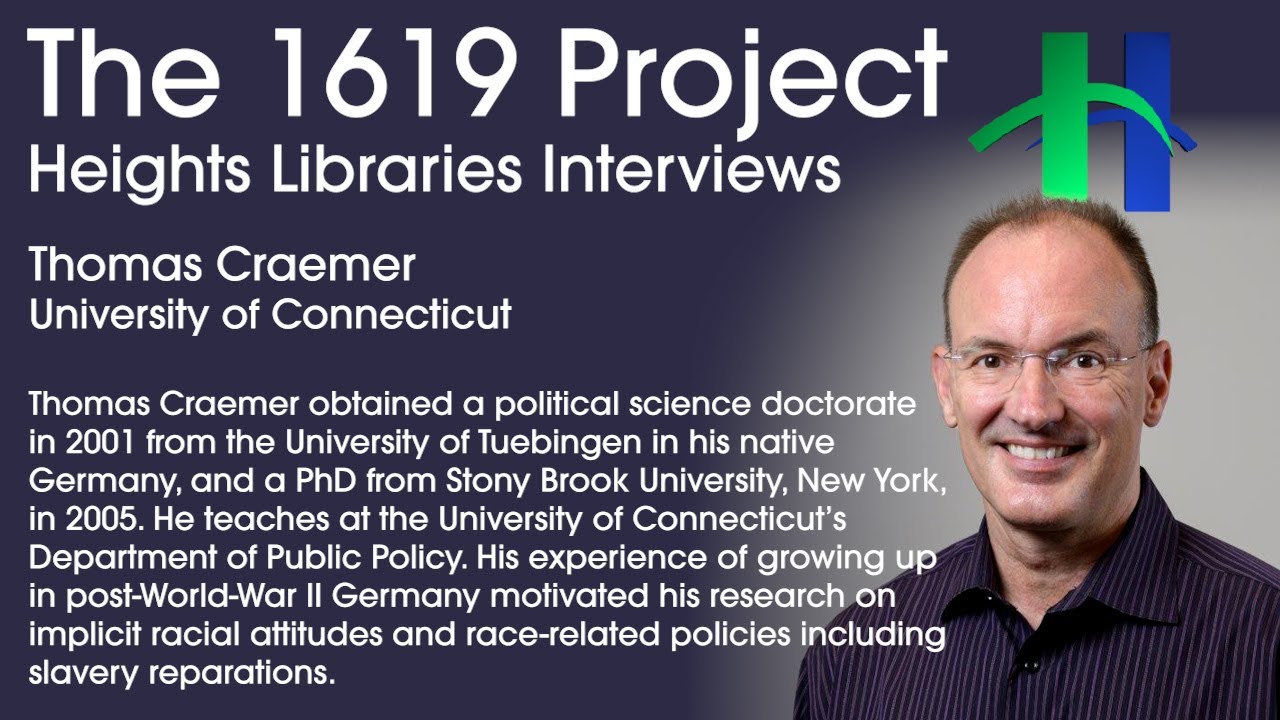
Thomas Craemer: Estimating the Cost of Reparations
Thomas Craemer obtained a political science doctorate in 2001 from the University of Tuebingen in his native Germany, and a PhD from Stony Brook University, New York, in 2005. He teaches at the University of Connecticut’s Department of Public Policy. His experience of growing up in post-World-War II Germany motivated his research on implicit racial attitudes and race-related policies including slavery reparations. In 2015, he published an article titled Estimating Slavery Reparations that has…
Thomas Craemer: Holocaust and Slavery Reparations
Professor Thomas Craemer grew up in post-World War II Germany. One day, he met a Holocaust survivor who had retired from Israel to Germany of all places. For four decades, Mieciu Langer had received a reparations pension from the (West) German government. If reparations have the power to bring about reconciliation in this case, then reparations from the US Government to the Black descendants of the formerly enslaved might bring about racial reconciliation in the United States as well. Thomas…
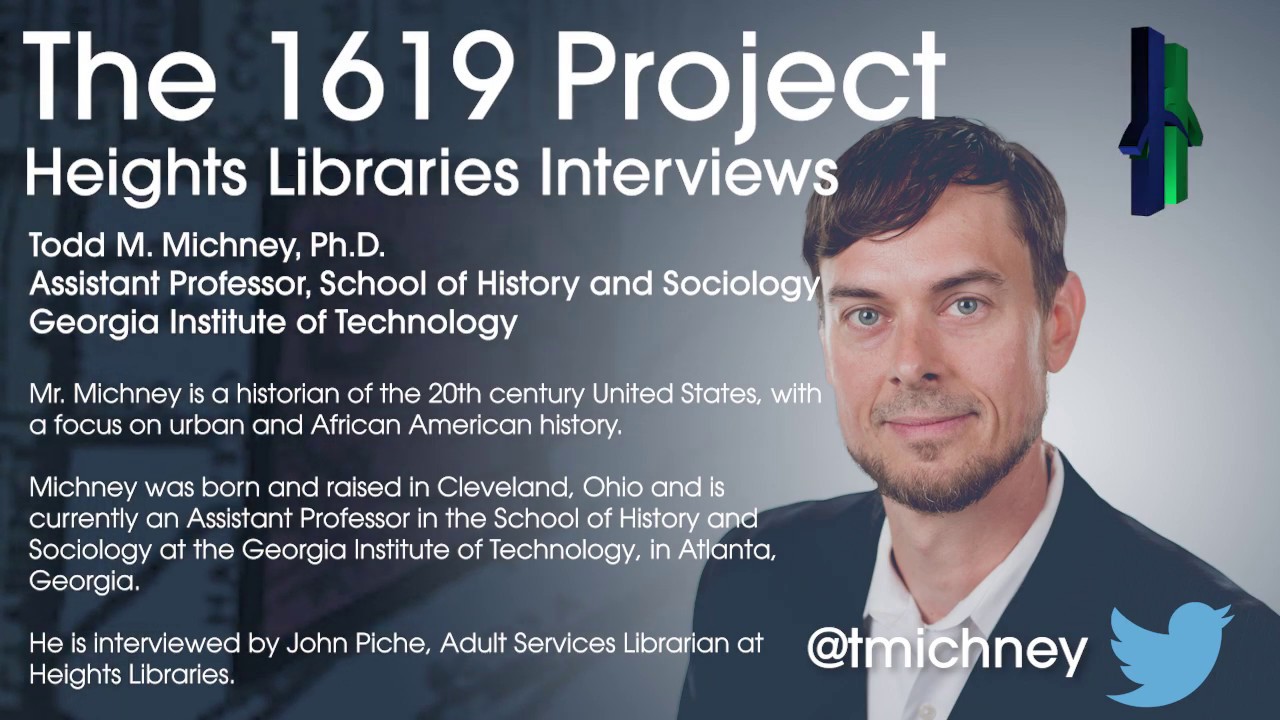
Todd Michney: Redlining and Home Owners Loan Company
In this inaugural session of the Heights Library Unpacking Our History interviews, we talk to Todd M. Michney, who shares insights from his book "Surrogate Suburbs: Black Upward Mobility and Neighborhood Change in Cleveland, 1900–1980," about redlining and the HOLC's role in housing discrimination.
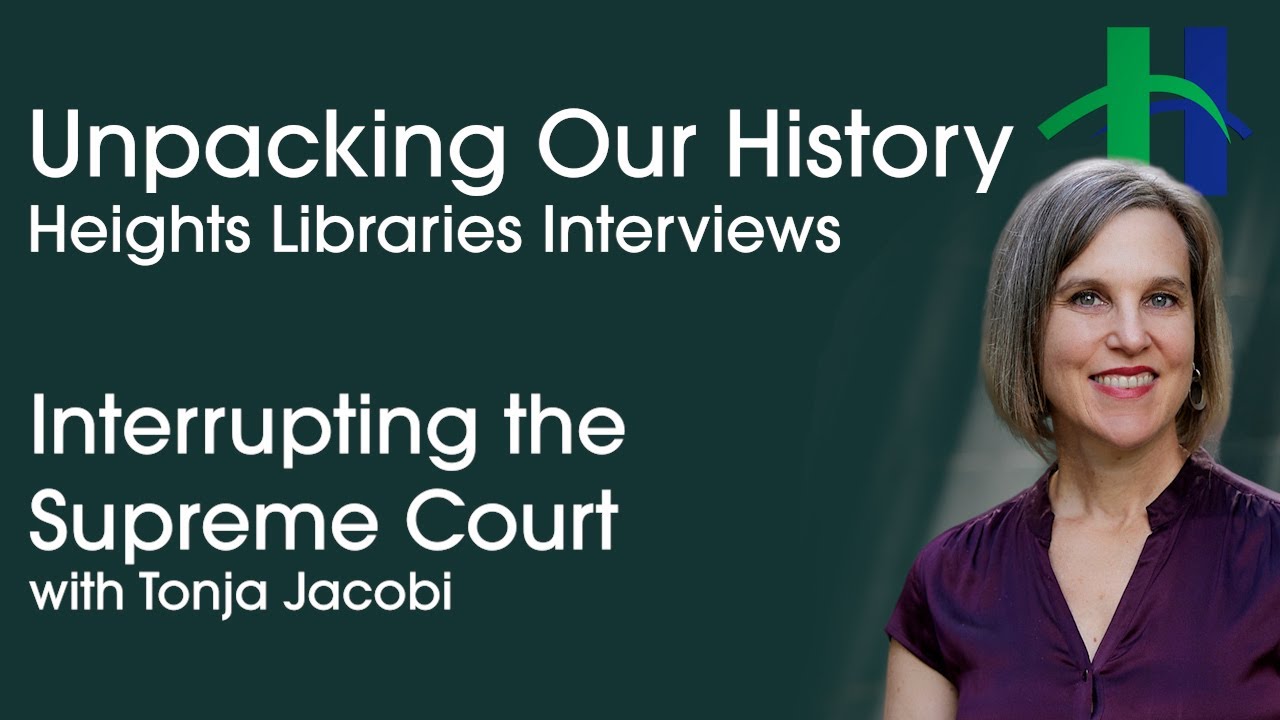
Tonja Jacobi: Interrupting the Supreme Court
Tonja Jacobi discusses her article "Supreme Court Interruptions and Interventions: The Changing Role of the Chief Justice." Recent scholarship has focused on how often the Supreme Court Justices get interrupted, especially when female Justices are speaking. To fix this, the Court changed how hearings are run. This article looks at whether these interruptions—and the gender gap in who gets interrupted—have gotten better, and if the new rules helped. Tonja Jacobi is a Professor of Law…
Tracey L. Meares: Effective Policing
Tracey L. Meares discusses her article, “The Good Cop: Knowing the Difference Between Lawful or Effective Policing and Rightful Policing — And Why it Matters.” Prof. Meares describes the two traditional roles of policing as they function under the law and in fighting crime. These two roles place the responsibility of policing on the behavior of citizens. But Prof. Meares suggests a third role, rightful policing, that places the emphasis on procedure, fairness, and transparency of conduct of the…
Trevor Burnard: Demis of the Royal African Company
Trevor Burnard is Wilberforce Professor of Slavery and Emancipation at the University of Hull and Director of the Wilberforce Institute. He is a specialist in the Atlantic World and slavery in plantation societies. He is the author of Only Connect: A Field Report on Early American History

Trump and the New Apostolic Reformation with Matthew Taylor
Matthew Taylor discusses his book, The Violent Take it By Force, which traces the raise and radicalization of the Christian Right under the banner of a New Apostolic Reformation. This movement's support of Trump and their adherence to new biblical prophecy are explored. Mathew D. Taylor is currently a visiting scholar at the Center on Faith and Justice at Georgetown University.

Tyler Leeds: 1619 Project and Fox News Panic
Tyler Leeds discusses his article, “The 1619 Project Moral Panic: The Role of Cable News.” Over a two year period, Fox News-led a transformation of the New York Times' 1619 Project. By analyzing an original archive of 567 news segments, Leeds examines how a publication with anti-racist ambitions was transformed into plot threatening schoolchildren. Tyler Leeds, assistant professor in the Department of Sociology and Criminal Justice at the University of Delaware.

Vida Johnson: Judges and White Supremacy
Vida Johnson, professor at law at Georgetown law, discusses her article “White Supremacy and the Bench.” In which she describes how judges maintain and enforce structural racism. Judges benefit from a cultural cache of authority, prestige and as unbiased arbiters of fairness, but they often sustain and amplify racism through jokes, decisions, and rulings that unfairly targets people of color.
Vida Johnson: Police Bias and Testimony
Vida B. Johnson is an Associate Professor of law at Georgetown Law where she teaches in the criminal defense clinics. She writes about policing and criminal procedure. She received her law degree from NYU and her Bachelor of Arts degree from the University of California, Berkeley. Professor Johnson discusses her two articles on police bias. First, we talk about her article, "Bias in Blue: Instructing Jurors to Consider the Testimony of Police Officer Witnesses with Caution" where…
Vida Johnson: White Supremicist Police at Jan. 6th
Professor Vida Johnson discusses her 2022 Brooklyn Law Review article, White Supremacy’s Police Siege on the United States Capitol. Professor Johnson details the failures of the Capitol Police, the unsettling involvement of active law enforcement officers in the January 6th Insurrection, and how White Supremacists continue to infiltrate and plague police departments. The difference in police preparation, presence, and intervention between the Jan. 6 and Black Lives Matter protests is instructive…

Chiamaka Echebiri on White Supremacy, Christy Lopez on Carceral Logic, Anna Preston on Prisons and Mental Health, a debate between Micheal Javen and Marie Gottschalk, and finally an article by Jack Norton from the "New York Review of Books."