
Browse All Records(204 total)
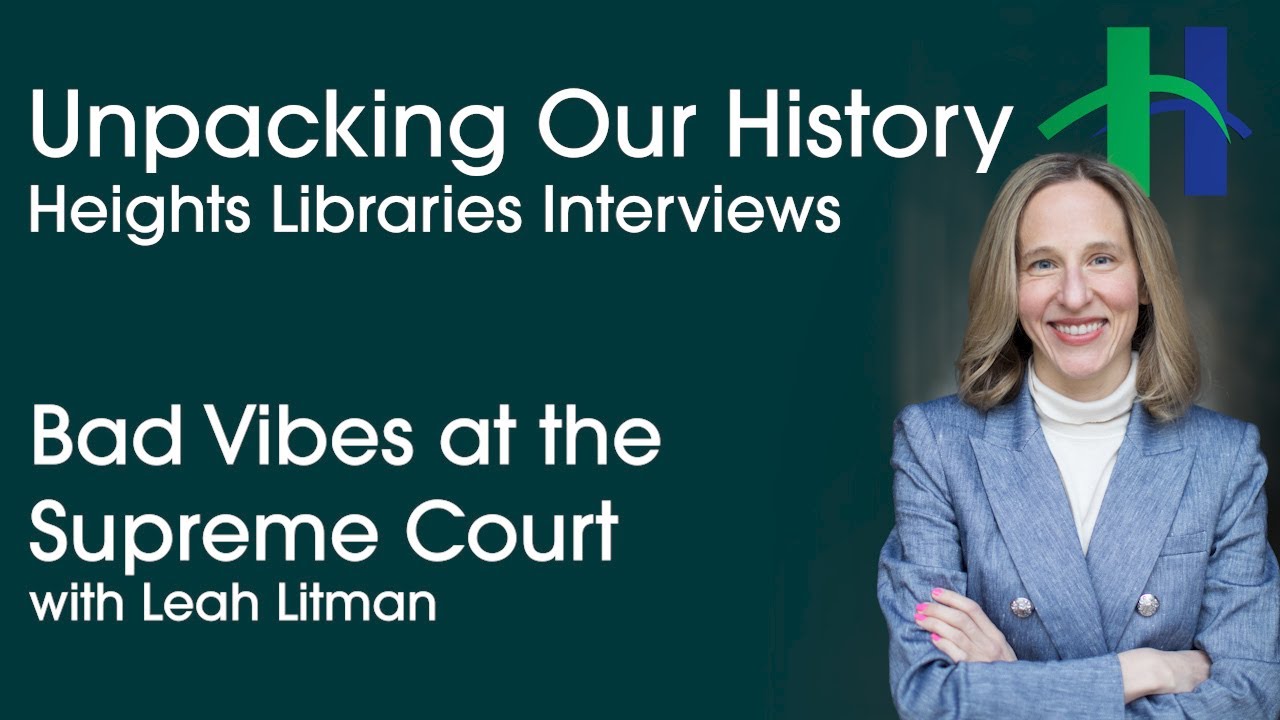
Leah Litman : Bad Vibes at the Supreme Court
Leah Litman discusses her book, Lawless: How the Supreme Court Runs on Conservative Grievance, Fringe Theories, and Bad Vibes. In it, she argues that the Supreme Court is no longer practicing law. Rather, it’s running on vibes. And by “vibes,” Litman means legal-ish claims that repackage the politics of conservative grievance and minority rule. Leah Litman is a professor of law at the University of Michigan Law School and is a co-host of Strict Scrutiny, a podcast about the Supreme Court of…
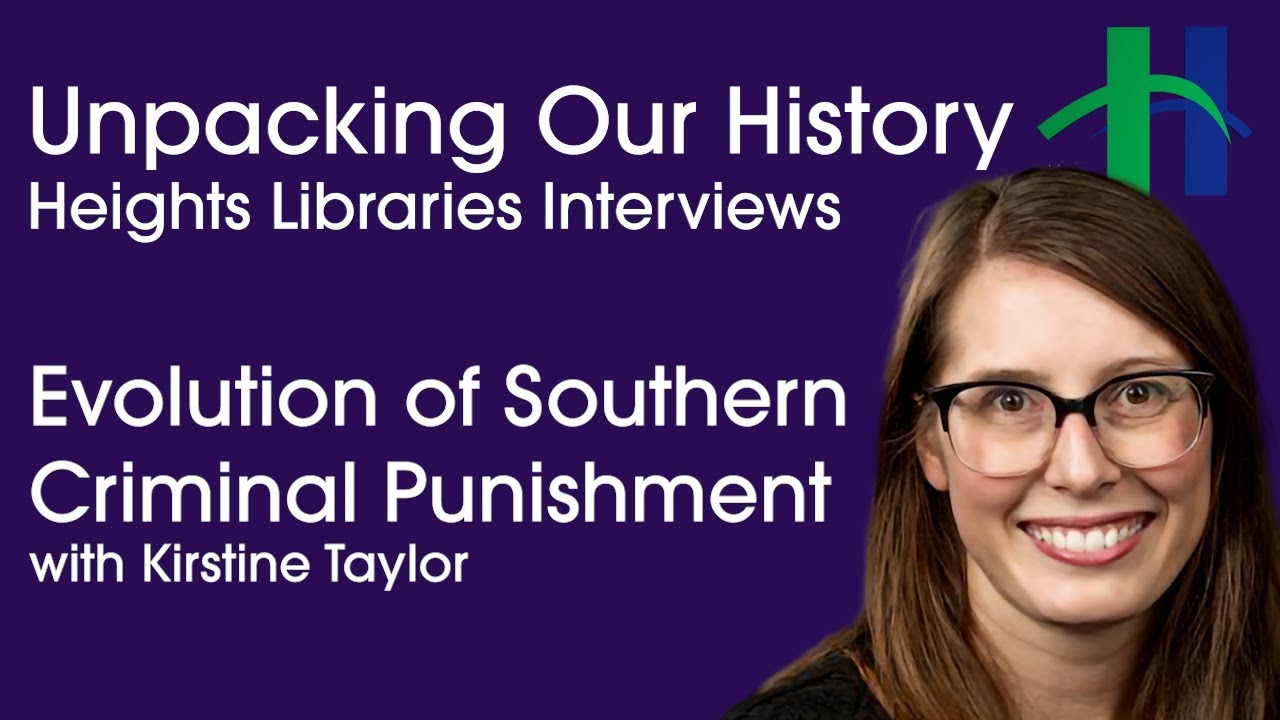
Kirstine Taylor: Evolution of Southern Criminal Punishment
Kirstine Taylor discusses her book, Sunbelt Capitalism and the Making of the Carceral State. Prof. Taylor examines the evolution of southern criminal punishment from Jim Crow to the dawn of mass incarceration, charting this change from chain gangs to private prisons. Kirstine Taylor, Associate Professor of Political Science and Law, Justice & Culture at Ohio University, on her book, Sunbelt Capitalism and the Making of the Carceral State. November 14, 2025.
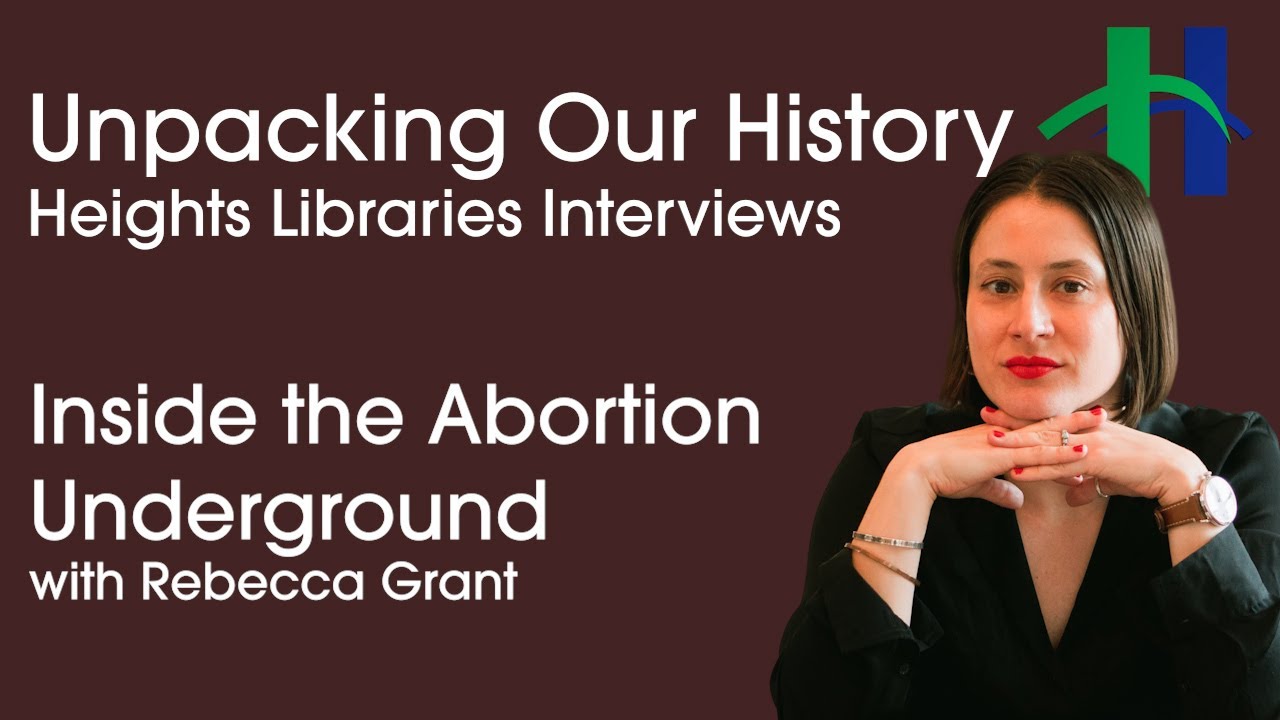
Rebecca Grant: Inside the Abortion Underground
Rebecca Grant discusses her book, Access: Inside the Abortion Underground and the Sixty-Year Battle for Reproductive Rights. Grant traces the reproductive freedom movement from feminist organizing before Roe through the seismic impact of Dobbs. The stories in Access span four continents, tracing strategies across generations and borders. Working above ground, underground, and in legal gray areas, these activists helped people travel across state lines for care, established telehealth practices,…

Tyler Leeds: 1619 Project and Fox News Panic
Tyler Leeds discusses his article, “The 1619 Project Moral Panic: The Role of Cable News.” Over a two year period, Fox News-led a transformation of the New York Times' 1619 Project. By analyzing an original archive of 567 news segments, Leeds examines how a publication with anti-racist ambitions was transformed into plot threatening schoolchildren. Tyler Leeds, assistant professor in the Department of Sociology and Criminal Justice at the University of Delaware.
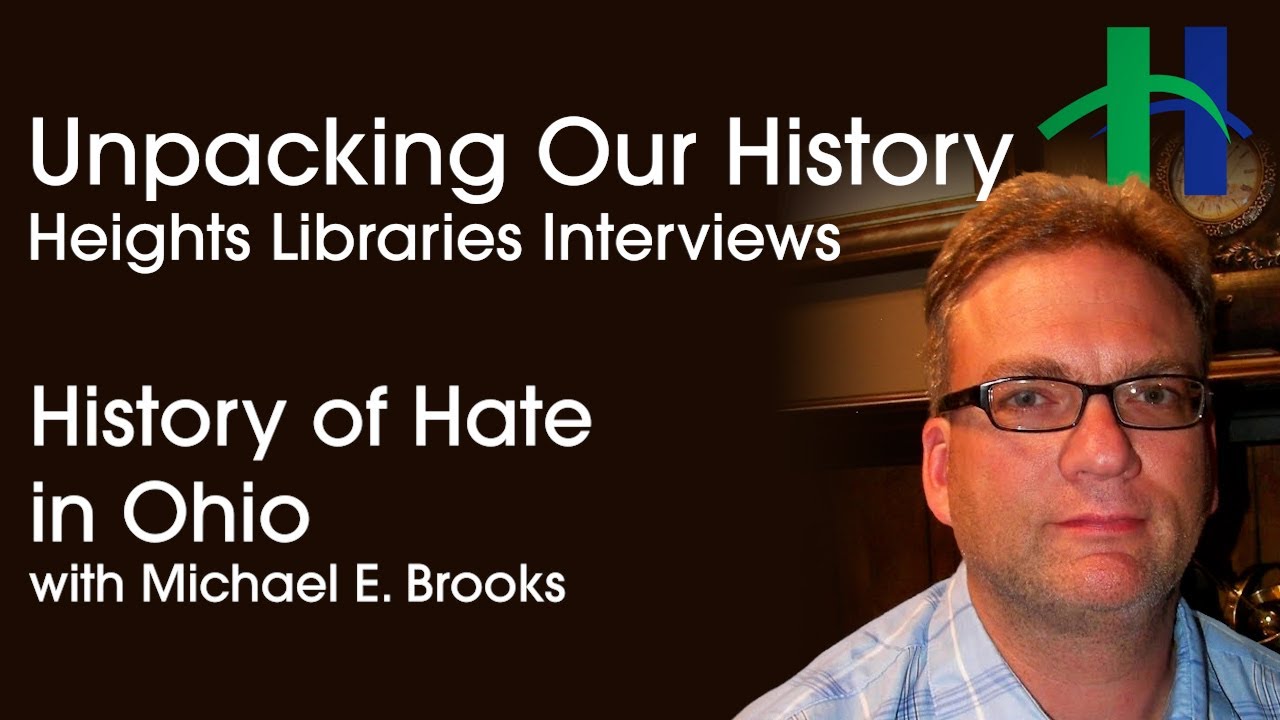
Michael E Brooks: History of Hate in Ohio
Michael E. Brooks discusses his co-authored book, A History of Hate in Ohio: Then and Now. Ohio’s great history of abolitionism is widely known, but there is also a long history of white supremacist activity. Brooks analyzes the historical origins of white supremacy in Ohio and the emergence of the earliest hate groups, covering the colonial period into the 1970s. Michael E. Brooks is professor of teaching at Bowling Green State University
Heather Ann Thompson talks her new book, Fear and Fury: The Reagan Eighties, the Bernie Goetz Shootings, and the Rebirth of White Rage. In it she explores a pivotal moment in American history when new conservative media landscape is emerging, the Reagan Revolution is recoding racism, and the social fabric of the New deal is unraveling, all which helps contextualize a vigilante shooting on a NYC subway train on Dec 22 1984. Heather Ann Thompson is a historian at the University of Michigan and…
Ahilan Arulanantham: Immigration Law and Racist Precedent
Ahilan Arulanantham discusses his article, "Reversing Racist Precedent." In the article he examines how racist precedent remains a key feature of our legal system and how racism sits at the very center of US immigration law. Immigration law is originally tainted by two cases at the heart of the Chinese Exclusion Act. Courts could create a new exception in stare decisis doctrine: cases would be denied precedential force if they were motivated by racial animus. How these changes would…
Dorothy A. Brown: A Reparations Roadmap
Dorothy A. Brown discusses her book, Getting to Reparations: How Building A Different America Requires a Reckoning With Our Past, in it she demonstrates a clear precedent for paying reparations. She cites other times in American history reparations were paid - whether it was Italian immigrants, interned Japanese Americans, or slave owners in Washington DC. Professor Brown ends by offering a compelling and detailed legal and political strategy that could realistically achieve this…
Matthew Boedy: Seven Mountains Mandate and Turning Point USA
Matthew Boedy is a leading expert on the right-wing political activities of Turning Point USA and its founder Charlie Kirk. He discusses his book, The Seven Mountains Mandate: Exposing the Dangerous Plan to Christianize America and Destroy Democracy, in which he details the development of the Christian Nationalist idea of the Seven Mountains and how that became the leading ideology of Turning Point USA. Matthew Boedy is assistant professor in the Department of English at the University of…

Daniel Rachel: Rock 'n' Roll and the Swastika
Daniel Rachel, author and musician, talks about his book, This Ain't Rock'n'Roll: Pop Music, The Swastika, and the Third Reich. What do John Lennon, the Animals, the Rolling Stones, the Clash, Lady Gaga, Blondie, & Pink Floyd have in common? They all flirted with the imagery and theater of the Third Reich. From Keith Moon and Vivian Stanshall running around London in Nazi uniforms to Siouxsie Sioux and Sid Vicious brandishing swastikas in the pomp of punk, generations of…

Heather O’Connell: Confederate Monuments and Anti-Black Stereotypes
Heather O'Connell discusses her article, "Confederate Monuments and Anti-Black Stereotypes in the US South." Her research points to a strong link between Confederate monuments and heightened anti-Black stereotypes among white Southerners, particularly in areas with a high density of such monuments. She argues the observed relationship is driven by racialized cultural frames emphasizing the Black-White boundary that are linked to Confederate monuments with a “Lost Cause”…
Michael Hayden: When White Nationalists Move Into Town
Michael Edison Hayden discusses his book, "Strange People on the Hill: How Extremism Tore Apart a Small American Town." When an influential white nationalist group relocated its headquarters to Berkeley Springs, West Viginia, the town reacted in all sorts of ways. Hayden recounts the story of what happened to the white nationalists, the merchants reliant upon tourism, and his personal struggles covering this troubling beat. Michael Edison Hayden is an investigative reporter and a…
David Silverman: Native Americans and the Making of Race in the U.S.
David Silverman talks about his book, The Chosen and the Damned: Native Americans and the Making of Race in the United States. When the colonial era began, Europeans did not consider themselves as “Whites,” and Native Americans did not think of themselves as “Indians.” Yet as a genocidal struggle for America unfolded over the course of generations, all that changed. Silverman restores the defining role Native people have played, and continue to play, in our national history. David J.…
David McNally: Slavery and Capital
David McNally discusses his book, Slavery and Capitalism: A New Marxist History. Prof. McNally offers the first systematic Marxist account of the capitalist character of Atlantic slavery. By using colonial travel literature, enslaver records, and slave narratives he makes the case that enslaved labor in the plantation system established a modern capitalist working class constantly fighting for their freedom. David McNally is the NEH Cullen Distinguished Professor of History and Business at…

Emily Dufton: Methadone, Suboxone, and the War on Drugs
Emily Dufton discusses her book Addiction, Inc.: Medication-Assisted Treatment and America’s Forgotten War on Drugs. It’s the history of the federal development and subsequent commercialization of the opioid addiction medication industry. Beginning with the Johnson Administration, the reasons the Federal response to and creation of drug policy moved from harm reduction to carceral solutions are explored. Emily Dufton, drug historian and writer, her writing has appeared in the Washington…
Alec Karakatsanis: Copaganda and the Media
Alec Karakatsanis discusses his book, Copaganda: How Police and the Media Manipulate the News. He outlines the concept of Copaganda which is a process of manufacturing fear of the most powerless to push the idea that our fears are only solved by more money for police, prisons, and prosecutions. By looking at news articles, the sources reporters use, and the repetitive language, he points to huge police P.R. Departments and private actors who shape and feed the news. Additionally, how even the…

Inga Trauthig: Artificial Intelligence and World Elections
Inga Trauthig discusses her co-authored study for the International Panel on the Information Environment, “The Role Of Generative AI Use in the 2024 Elections Worldwide.” What are the implications of GenAI for election administration and voter participation around the world? This assessment delivers the first global, data-driven analysis of its kind, designed to inform policy recommendations Inga Trauthig is a research professor at the Jack D. Gordon Institute for Public Policy at Florida…
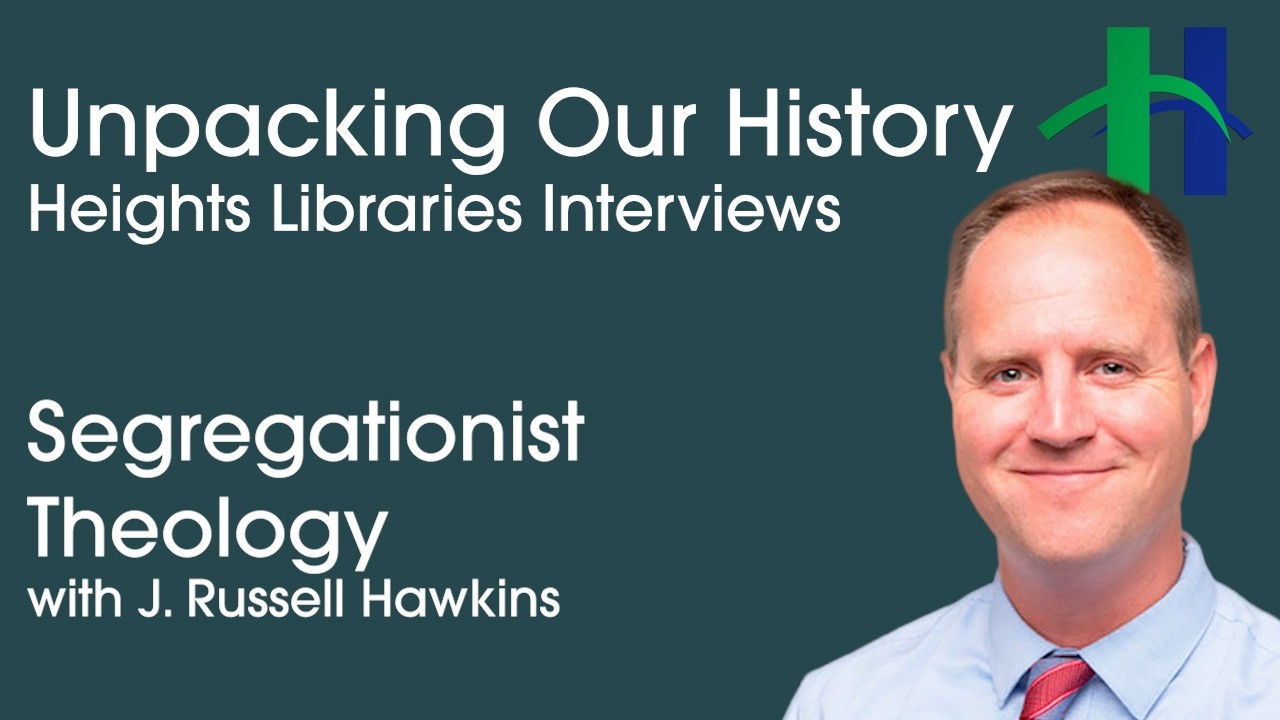
J. Russell Hawkins: Segregationist Theology
J. Russell Hawkins discusses his book, The Bible Told Them So: How Southern Evangelicals Fought to Preserve White Supremacy. Why did southern white evangelical Christians resist the civil rights movement in the 1950s and 1960s? Simply put, they believed the Bible told them so. These white Christians entered the battle against integration and civil rights certain that God was on their side. J. Russell Hawkins is Professor of Humanities and History in the John Wesley Honors College at Indiana…

Susila Gurusami: Criminalized Black Mothers
Susila Gurusami discusses her book, "Break the System Criminalized Black Mothers and the Reproductive Politics of Abolition." By looking closely at the lives of formerly incarcerated Black mothers, Prof. Gurusami shows how state institutions—the criminal-legal, child welfare, and healthcare systems—keep Black mothers from their families, harming Black communities in the process. Susila Gurusami, Assistant Professor in the Department of Criminology, Law, and Justice at the…
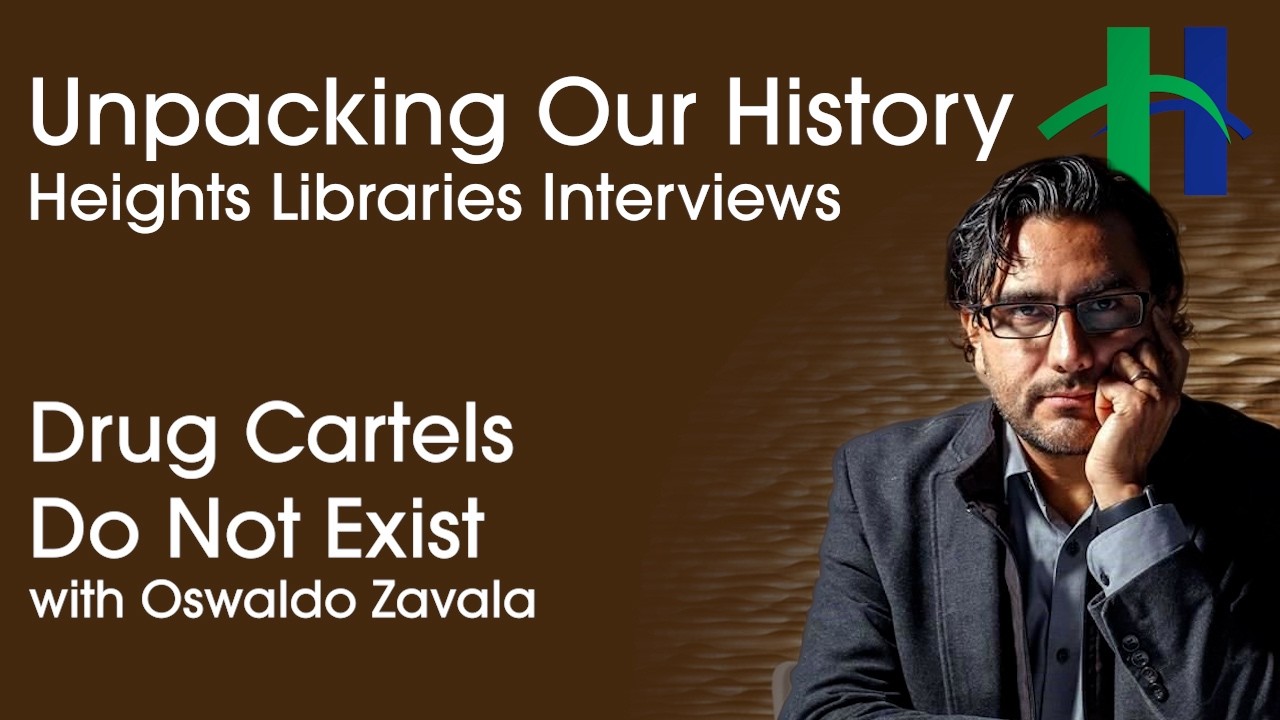
Oswaldo Zavala: Drug Cartels Do Not Exist
Oswaldo Zavala discusses his book, Drug Cartels Do Not Exist. He argues that stories around narcotics trafficking are largely based on n the claims of the US and Mexican governments and various cultural depictions. Zavala sees little connection to the realities of the trade as it exists. Media, in both countries, uncritically report law enforcement narratives regarding the narcotics trade in service of a national security myth. Oswaldo Zavala, a Mexican journalist and a professor of Latin…

FBI: Discredit, Disrupt, Destroy
"Taking Down the New Left: FBI Surveillance of the Left and Right-Wing Extremist Groups" from The Yale University's The Macksey Journal; "Bureau Clergyman" from Religion and American Culture Journal; "US Conducted 'Mass Spying Campaign' Against Left-Wing Groups" from The Guardian; and "The FBI Quietly Spying on Americans Without Warrants" from Time Magazine.

CIA, Latin America, and Crack
"The CIA's Worst Kept Secret" from fpif.org; "Storm Over 'Dark Alliance" from Columbia Journalism Review; "Through Evidence is Thin, Tale of C.I.A. and Drugs Has a Life of Its Own" from the NYTimes; and "In Mexico, The Cartels Do Not Exist" from the Nation.

Trump and the New Apostolic Reformation with Matthew Taylor
Matthew Taylor discusses his book, The Violent Take it By Force, which traces the raise and radicalization of the Christian Right under the banner of a New Apostolic Reformation. This movement's support of Trump and their adherence to new biblical prophecy are explored. Mathew D. Taylor is currently a visiting scholar at the Center on Faith and Justice at Georgetown University.

Modern Slavery
This month's reading packet features articles: "In Plain Sight" from the New Yorker; "Evangelicals and sex trafficking hysteria" from Salon. Com; "Cleveland has long been called a human trafficking hub" from Cleveland.com; and "Twenty-Five years on: Anti-trafficking, Shifting Policy Regimes, and Failure" from The Journal of Ethnic and Migration Studies.